Glazed Heart: A Font That Adds Warmth to Branding
I was staring at a blank brand board, the usual chaos of a new project settling in. It was for a small boutique that sells handmade crafts and stationery—something cozy, inviting, and full of personality. I needed a font that felt like it was hand-painted, not just printed. Something that would make people feel warm and connected. That’s when I tried Glazed Heart.
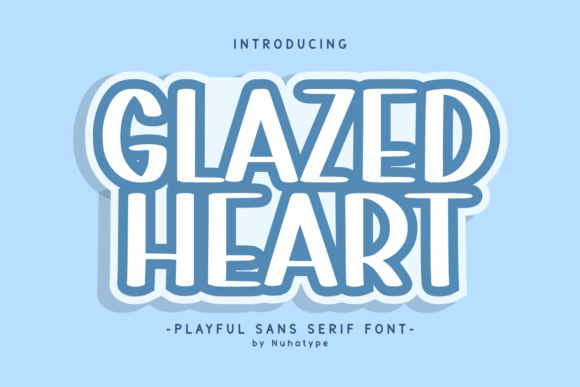
Glazed Heart is a cute sans serif handwriting font with a soft, friendly, and natural look. At first glance, it feels like it could have been written by someone with a gentle hand, maybe over a cup of tea or coffee. The curves are smooth, the strokes are light, and there’s a kind of warmth that makes it feel like it belongs on a greeting card or a craft project. But what really caught my attention was how it brought a handcrafted feeling to digital and print materials alike.
I started by testing it on a logo draft. The boutique wanted something approachable but still professional. I paired Glazed Heart with a clean sans serif font for the body text, which helped balance the playful nature of the main typeface. The result was a logo that felt personal yet polished. It wasn’t too whimsical, but it definitely had character. That’s the magic of Glazed Heart—it can be both casual and credible, depending on how you use it.
A Font That Works Across Mediums
One of the things I love about Glazed Heart is its versatility. I used it in multiple design assets throughout the branding process. On packaging mockups, it looked great on product labels and tags. It had that soft, handwritten feel that matched the boutique’s vibe. I even tested it on social media graphics, where it added a touch of charm without being distracting.
I also used it in editorial design, like for flyers and posters. When placed on a shop sign or business card, Glazed Heart made the text feel like part of the space itself. It didn’t overpower the design, but it still stood out enough to draw the eye. And on a homepage hero section, it worked well as a headline font, offering a nice contrast against a clean background.
What I found most impressive was how Glazed Heart handled different weights and styles. The font includes alternates and ligatures that add visual interest without breaking the overall aesthetic. It’s a great option for short-form text, like taglines or social media captions, where you want to keep things simple but still engaging.
Designing with Confidence
Before committing to a full brand system, I always test fonts in real-world scenarios. I created a few mockups using Glazed Heart and saw how it performed in different contexts. On a label sticker, it was clear and readable, even from a distance. On an Instagram post, it felt like it belonged in a handmade blog or a creative studio’s feed.
One thing I noticed was how Glazed Heart affected the overall tone of the brand. It made the boutique feel more personal, like the owner was speaking directly to the customer. That’s important in branding—it’s not just about what the font looks like, but how it makes people feel.
When pairing Glazed Heart with other fonts, I found that it works best with a modern sans serif or a clean script font. It adds a touch of warmth without overwhelming the design. For example, I paired it with a bold sans serif for headlines and kept the body text in a more neutral font. This created a nice balance between personality and professionalism.
Practical Tips for Using Glazed Heart
If you’re considering Glazed Heart for your next project, here are a few tips to help you get the most out of it:
- Test it early: Don’t wait until the final stages of a project to decide on a font. Try it in mockups and see how it fits with your brand’s voice and style.
- Check the included styles: Make sure the font has the weights and styles you need for your design. Some fonts offer extra features like ligatures or alternate characters that can enhance your work.
- Consider multilingual support: If your project requires support for multiple languages, confirm that Glazed Heart covers those needs.
- Use it wisely: While Glazed Heart is great for headlines and display text, it might not be the best choice for long-form content. Use it as an accent or supporting typeface instead.
- Look into licensing: Ensure that the font you’re using is properly licensed for commercial use, especially if you’re working with clients or creating branded assets.
Overall, Glazed Heart is a font that brings warmth and personality to any design. Whether you’re working on a logo, packaging, or social media graphics, it has the ability to connect with your audience in a meaningful way. It’s a great addition to any designer’s toolkit, especially for those who value creativity and authenticity in their work.